
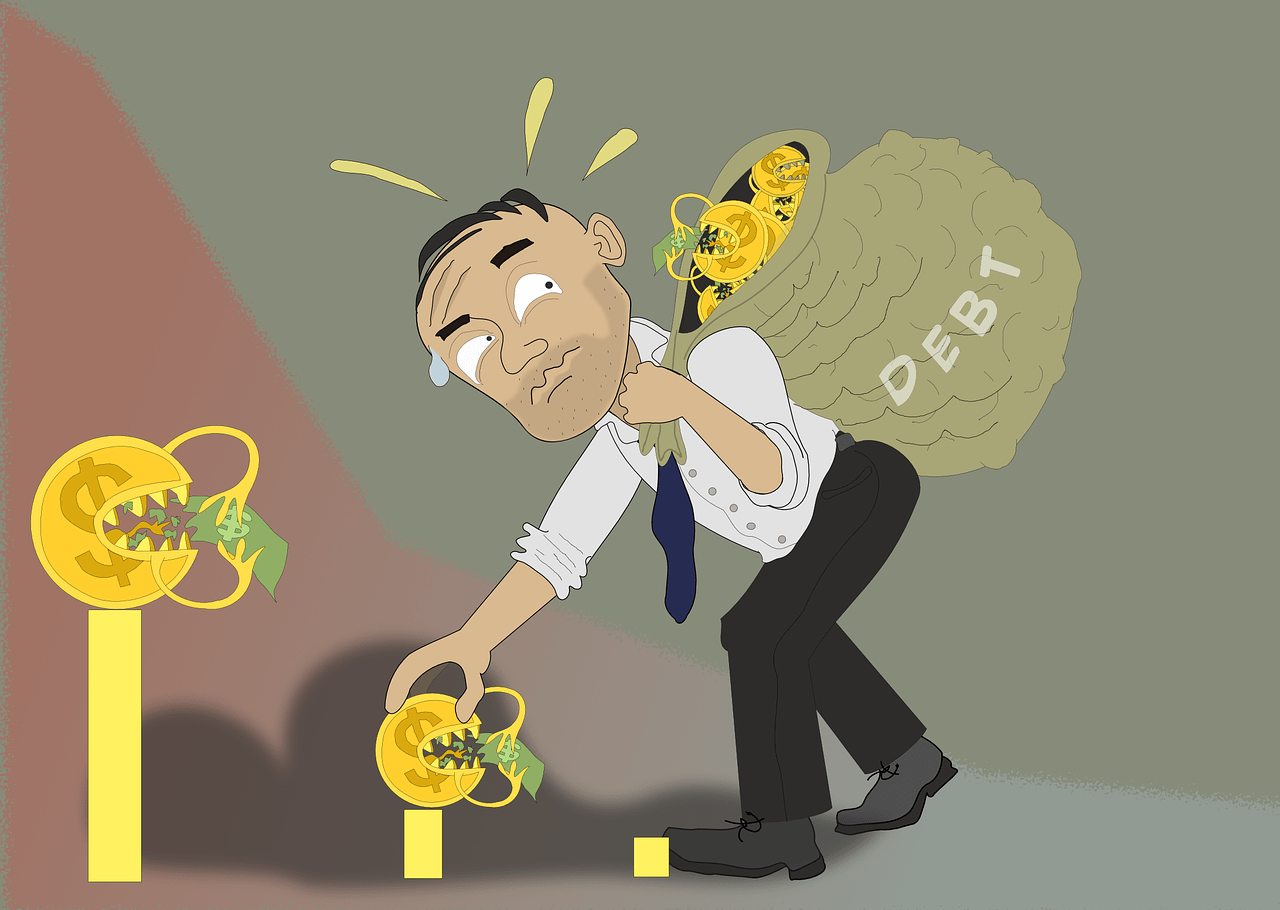
Payday loans promise fast cash with no credit check, which is exactly why people reach for them in a tight month. The speed is real. So is the cost, and it is far higher than the flat fee on the website makes it look. This guide explains how payday loans work, what they truly cost once you annualize that fee, where the trap is, and the cheaper options worth trying first.
How payday loans work
A payday loan is a small, short-term loan, usually 500 dollars or less, meant to be repaid in a lump sum on your next payday. There is rarely a credit check, approval takes minutes, and the money can arrive the same day. You either write a post-dated check for the full balance or authorize the lender to debit your account on the due date. The appeal is obvious when rent is due and the account is empty. The problem starts if you cannot repay the whole amount, fee included, in two weeks.
What payday loans really cost
A common charge is 15 dollars for every 100 dollars borrowed over two weeks. That sounds minor, but because the term is so short, it works out to an annual percentage rate of close to 400 percent. Borrow 300 dollars and you repay 345, and the CFPB lays out exactly how that fee converts to an APR. For comparison, a high-interest credit card sits near 25 to 30 percent. The fee itself is not the real danger. The danger is the two-week deadline to produce money you did not have the week before.
The rollover trap
When borrowers cannot repay on time, many lenders let them roll the loan over for another fee. The fee buys time but does not touch the balance, so the debt sits there while the cost climbs. The CFPB found that within a month, almost 70 percent of payday borrowers take out a second loan, and one in five new borrowers ends up taking ten or more loans in a row. That is the cycle the product is criticized for. Go in assuming that if you miss the first due date, the cost stops being small very quickly.
Cheaper alternatives to try first
Before a payday loan, work through the options that cost far less:
- Ask your employer for an advance on wages you have already earned. Many will do it at no cost.
- Call the biller. Utilities, landlords, and lenders often have hardship or payment plans if you ask before you miss the date.
- Look at a credit union payday alternative loan (PAL), which caps the rate at 28 percent and the fee at 20 dollars, a fraction of storefront pricing.
- Use a low-rate credit card, even with a cash advance fee, since almost anything beats 400 percent APR.
- Borrow from family with the terms written down, which keeps both the relationship and the money clear.
None of these is guaranteed to be available, but each is worth a call before you sign a payday loan agreement.
If a payday loan is the only option
If you have run out of alternatives and still need cash before payday, keep the damage small. Borrow the least you can, and only if you have a concrete plan to repay in full on the first due date. Use a licensed direct lender rather than a lead-generation site that harvests your bank and Social Security details and sells them on; a direct lender such as CashNetUSA shows its rates and repayment terms before you apply. Read the agreement for the rollover fee, the exact debit date, and what happens if the payment bounces. Confirm the lender is licensed in your state, since some states ban these loans outright and unlicensed online operators are where the worst terms hide.
Know your rights before you borrow
Payday lending is regulated, and the rules vary widely by state. Some cap the rate at 36 percent, some ban the loans entirely, and active-duty military borrowers are protected at 36 percent under federal law. The CFPB explains how payday loans work and what a lender must disclose, including your right to see the APR and total cost upfront. If a lender hides its fees, pressures you, or is not licensed where you live, treat that as your signal to walk away and report it.
Your payday loan checklist
Before you borrow:
- Try a wage advance, a hardship plan, a credit union PAL, or a card first.
- Borrow the smallest amount that fixes the immediate problem.
- Work out the full repayment, not just the fee, before signing.
- Confirm the lender is licensed in your state.
- Have a dated plan to repay in full on the first due date, with no rollover.
The long-term fix is the dull one: even a small emergency fund removes the situation that sends people to payday lenders in the first place.
Payday loans: common questions
Are payday loans ever a good idea?
Rarely. They solve an immediate cash gap at a cost high enough that they often create a larger one. They make sense only as a one-time, fully planned, genuine last resort after the cheaper options are gone.
How much does a payday loan cost?
A typical fee is around 15 dollars per 100 dollars borrowed for two weeks, which annualizes to close to 400 percent APR. Borrow 300 dollars and you repay about 345. If you roll the loan over, the cost multiplies fast while the balance stays put.
Do payday loans affect your credit score?
Usually not directly, since most payday lenders do not report to the main credit bureaus, so repaying one will not build your credit. But if you default and the debt goes to collections, that can land on your credit report and pull your score down.
What can I use instead of a payday loan?
A wage advance, a creditor hardship plan, a credit union payday alternative loan, or a low-rate credit card all cost far less. Over time, building a small emergency fund is the real fix, since it removes the need to borrow at these rates at all.